
How to Use Social Media Marketing Effectively for Rajasthani Fashion Brands
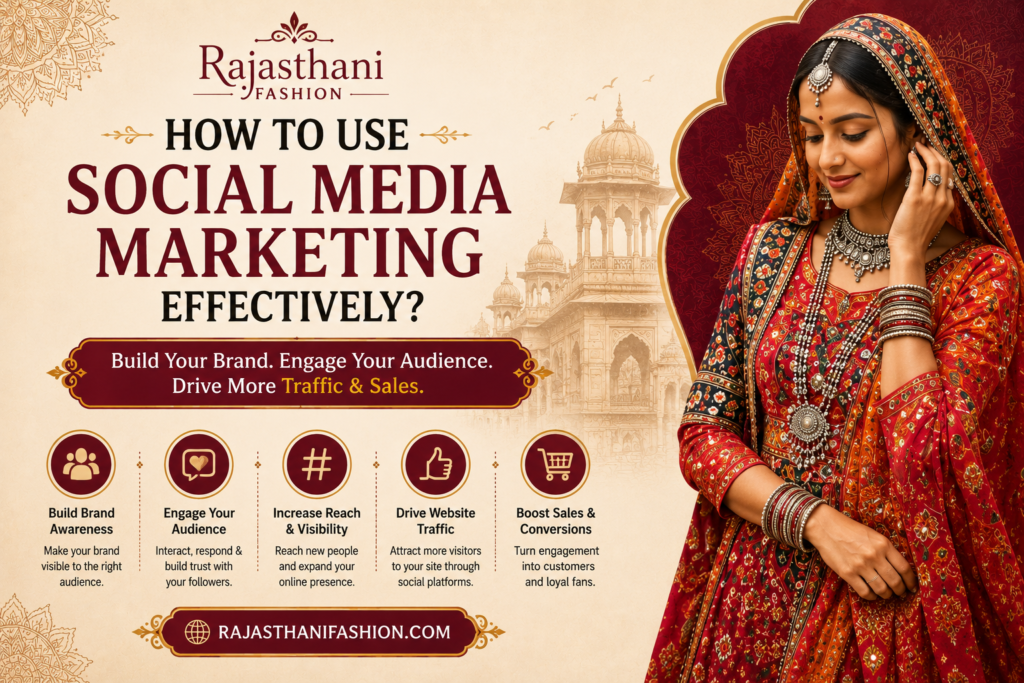
In the digital era, social media has transformed the way businesses connect with their audiences. For fashion brands, especially those promoting traditional and ethnic wear, social media offers an excellent opportunity to showcase products, build brand awareness, and engage directly with potential customers. Platforms such as Instagram, Facebook, Pinterest, and YouTube have become powerful marketing tools that influence purchasing decisions and shape fashion trends.
For RajasthaniFashion.com, social media marketing is more than just posting pictures of traditional outfits. It is about telling the story of Rajasthan’s rich cultural heritage through engaging content, building a loyal community, and creating memorable experiences for customers. Since Rajasthani fashion is known for its vibrant colors, intricate embroidery, Bandhani prints, and elegant craftsmanship, social media provides the perfect platform to highlight these unique elements.
This blog explores effective strategies that RajasthaniFashion.com can implement to maximize the impact of social media marketing and achieve long-term business growth.
Understanding the Importance of Social Media Marketing
Social media marketing involves using social networking platforms to promote products, interact with audiences, and drive traffic to websites. Unlike traditional advertising, social media allows businesses to communicate directly with customers, understand their preferences, and build meaningful relationships.
Benefits of Social Media Marketing for Fashion Brands
- Increases brand awareness and visibility.
- Helps attract new customers.
- Drives traffic to the website.
- Encourages customer engagement.
- Builds trust and credibility.
- Provides cost-effective marketing opportunities.
- Supports long-term customer relationships.
For a niche website like RajasthaniFashion.com, social media can help introduce authentic Rajasthani fashion to audiences across India and around the world.
1. Choose the Right Social Media Platforms
Every social media platform serves a different purpose. Understanding where the target audience spends their time is essential for effective marketing.
Instagram is highly visual, making it ideal for fashion businesses.
Content ideas include:
- Traditional outfit showcases.
- Styling reels.
- Festival fashion inspiration.
- Customer testimonials.
Facebook is suitable for reaching a broader audience.
Businesses can use it for:
- Sharing blog posts.
- Running contests.
- Posting promotional offers.
- Building communities through groups.
Pinterest acts as a visual search engine where users look for inspiration.
Useful content includes:
- Wedding fashion boards.
- Traditional styling ideas.
- Ethnic outfit combinations.
YouTube
YouTube allows brands to create detailed video content.
Examples:
- Fashion tutorials.
- Behind-the-scenes videos.
- Product demonstrations.
Selecting the right platforms ensures marketing efforts reach the intended audience effectively.
2. Create High-Quality Visual Content
Fashion marketing heavily depends on visuals. Attractive images and videos can capture attention instantly and encourage engagement.
Tips for Creating Visual Content:
- Use high-resolution images.
- Showcase different angles of outfits.
- Highlight embroidery and craftsmanship details.
- Maintain a consistent brand style.
- Use natural lighting whenever possible.
For RajasthaniFashion.com, incorporating elements of Rajasthan’s culture, architecture, and traditions can make the content more distinctive and appealing.
3. Maintain a Consistent Posting Schedule
Consistency is key to building a strong social media presence. Posting irregularly may cause audiences to lose interest.
Recommended Posting Frequency:
- Instagram: 4–5 posts per week.
- Facebook: 3–4 posts per week.
- Pinterest: Daily pin uploads.
- YouTube: 1–2 videos per month.
Planning content in advance using a content calendar helps maintain consistency and reduces last-minute stress.
4. Utilize Short-Form Video Content
Short-form videos have gained immense popularity due to their engaging nature.
Examples of Video Content:
- How to style a Bandhani dupatta.
- Festival-ready outfit transformations.
- Traditional jewelry styling tips.
- “Day-to-night” ethnic fashion looks.
Videos often receive higher engagement rates compared to static images, making them an essential part of social media strategies.
5. Use Relevant Hashtags Strategically
Hashtags improve content discoverability and help users find posts related to their interests.
Examples of Effective Hashtags:
- #RajasthaniFashion
- #EthnicWear
- #BandhaniStyle
- #TraditionalFashion
- #IndianEthnicWear
- #RajasthanCulture
Using a combination of popular and niche hashtags increases reach while targeting relevant audiences.
6. Engage with Your Audience
Social media is designed for interaction. Simply posting content without engaging with followers limits growth opportunities.
Ways to Increase Engagement:
- Reply to comments and messages promptly.
- Ask questions in captions.
- Conduct polls through stories.
- Encourage customers to share experiences.
- Thank followers for their support.
Building relationships strengthens customer loyalty and improves brand perception.
7. Collaborate with Influencers
Influencer marketing can significantly expand brand reach.
Benefits of Influencer Collaborations:
- Access to new audiences.
- Increased credibility.
- Higher engagement rates.
- Authentic product recommendations.
Micro-influencers with smaller but highly engaged audiences are often cost-effective options for fashion brands.
8. Encourage User-Generated Content
User-generated content refers to content created by customers featuring a brand’s products.
Examples:
- Customers sharing festive outfit photos.
- Styling videos featuring purchased products.
- Testimonials describing shopping experiences.
This type of content builds trust because potential buyers value real customer opinions.
9. Monitor Performance Metrics
Measuring results is crucial for improving marketing efforts.
Key Metrics to Track:
- Reach.
- Engagement rate.
- Website clicks.
- Follower growth.
- Conversion rates.
Analyzing these metrics helps identify successful strategies and areas requiring improvement.
Challenges in Social Media Marketing
Content Saturation
Fashion audiences are exposed to large volumes of content daily.
Solution: Focus on authenticity and storytelling.
Changing Algorithms
Social media algorithms frequently evolve.
Solution: Prioritize engagement and diversify content formats.
Maintaining Consistency
Creating regular content can be demanding.
Solution: Develop a monthly content plan.
The Role of Storytelling in Fashion Marketing
Consumers increasingly connect with brands that communicate meaningful stories.
For RajasthaniFashion.com, storytelling can involve:
- Highlighting the history of traditional attire.
- Sharing artisan craftsmanship journeys.
- Celebrating Rajasthan’s cultural heritage.
- Educating audiences about regional fashion significance.
Storytelling transforms products into experiences, making brands more memorable.
Conclusion
Social media marketing has become an essential component of success for modern fashion businesses. For RajasthaniFashion.com, it provides an opportunity to showcase the elegance and authenticity of Rajasthani ethnic wear to audiences worldwide.
By selecting the right platforms, creating engaging visual content, maintaining consistency, encouraging audience interaction, and leveraging influencer partnerships, the brand can establish a strong online presence and foster lasting customer relationships.
Success on social media does not happen overnight. It requires creativity, dedication, and a genuine understanding of the target audience. However, with strategic planning and consistent efforts, RajasthaniFashion.com can effectively use social media marketing to increase visibility, drive website traffic, and celebrate the timeless beauty of Rajasthan’s traditional fashion.